You can contact us 24/7

The best discounts this week
Every week you can find the best discounts here.
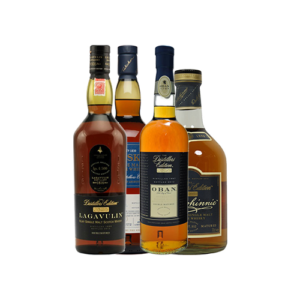
Distiller’s Editions Single Malt Scotch Whisky Set
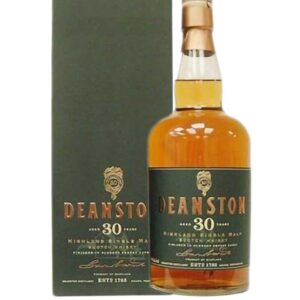
Deanston 30 Year Old Single Malt Scotch Whisky
Bruichladdich Octomore 10 Year Old Single Malt Scotch Whisky
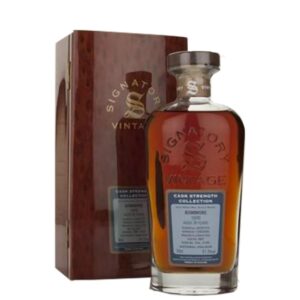
Bowmore 35 Year Old Rare Reserve Single Malt Scotch Whisky (Signatory Bottling)
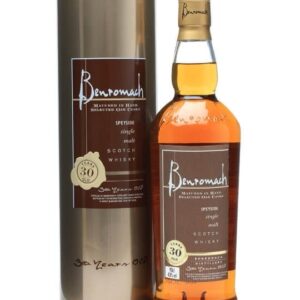
Benromach 30 Year Old Single Malt Scotch Whisky
Balblair 1975 Single Malt Scotch Whisky
Woodford Reserve Master’s Collection Brandy Cask Finish Kentucky Straight Bourbon Whiskey
Mount Gay XO The Peat Smoke Expression Rum
Our Shop
Browse through our premium collection of liquor.
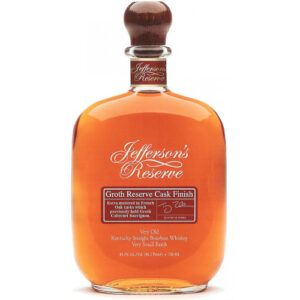
Jefferson’s Groth Reserve Cask Finish Kentucky Straight Bourbon Whiskey
About Jefferson's Groth Reserve Cask Finish Kentucky Straight Bourbon Whiskey
Jefferson’s Groth Reserve Cask Finish Bourbon Whiskey was first aged in new American oak barrels for approximately six years before being extra-matured in ex-Cabernet Sauvignon barrels from Groth Vineyards for an additional nine months. Groth Vineyards and Winery is a high-caliber producer out of California’s Napa Valley that is particularly well-known for its Cabernet Sauvignon, and these special barrels give Jefferson’s Groth Reserve Cask Finish Bourbon Whiskey its unique and robust characteristics.The whiskey has a starbright aroma of peaches, blackberries, caramel corn and toffee, which leads to a palate marked by burnt oak, red wine, cinnamon spice and dark and dried fruits. The finish is long and dry, with lasting notes of sweet tobacco, cornbread and baked apples.
This release, which was released in the summer of 2015, is extremely limited.
Pick up a bottle or two today!
About Jefferson's
The principal author of the Declaration of Independence and one of the most illustrious founding fathers, Thomas Jefferson was elected the third President of the United States in 1800. During his tenure as President, Jefferson authorized the purchase of the Louisiana Territory, dispatched Lewis and Clark westward to explore the remainder of the continent, and repealed the Whiskey Excise Tax.After Jefferson retired from public office in 1815, he often tended to the garden that he had cultivated at his Monticello estate. At the time, it was customary for wealthy farmers, including Jefferson, to make their own garden spirits. Each farmer's spirits were unique and reflected their personal tastes and the local terroir of their farm. Jefferson's Reserve Very Old Straight Bourbon Whiskey is crafted by Chet and Trey Zoeller in honor of Jefferson and his experimental nature. While the Zoellers were inspired by Jefferson, their roots can be traced back for generations deep into Kentucky's bourbon history.
About Bourbon
There are not many things more American than bourbon, and although most of it is produced in Kentucky, it can be produced all over the USA.
It must be made with at least 51% corn and bottled at 40% ABV or higher. So why not give this American classic a try?
Check out our impressive selection of bourbons, find your new favorite in Top 10 bourbons, or explore our treasury of rare & hard to find bourbons.
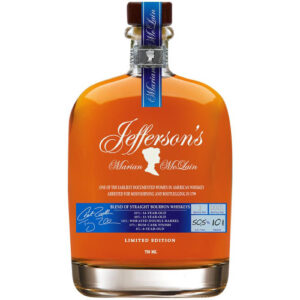
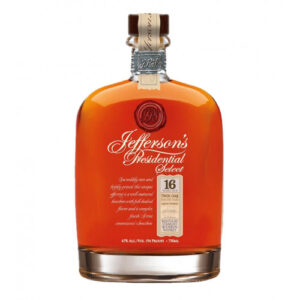
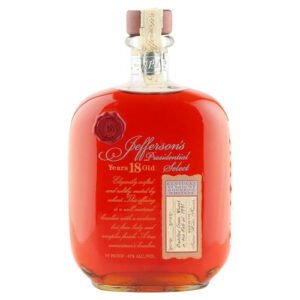
Jefferson’s Presidential Select 18 Year Old Bourbon Whiskey
About Jefferson's Presidential Select 18 Year Old Bourbon Whiskey
Jefferson's Presidential Select was distilled in 1991 at the legendary Stiltzel-Weller distillery ― the one that was built by Pappy Van Winkle ― which closed up shop that very same year. The wheated bourbon spent 18 years in those barrels before being bottled for this prestigious Jefferson's series.Get this piece of bourbon history today!
About Jefferson's
The principal author of the Declaration of Independence and one of the most illustrious founding fathers, Thomas Jefferson was elected the third President of the United States in 1800. During his tenure as President, Jefferson authorized the purchase of the Louisiana Territory, dispatched Lewis and Clark westward to explore the remainder of the continent, and repealed the Whiskey Excise Tax.After Jefferson retired from public office in 1815, he often tended to the garden that he had cultivated at his Monticello estate. At the time, it was customary for wealthy farmers, including Jefferson, to make their own garden spirits. Each farmer's spirits were unique and reflected their personal tastes and the local terroir of their farm. Jefferson's Reserve Very Old Straight Bourbon Whiskey is crafted by Chet and Trey Zoeller in honor of Jefferson and his experimental nature. While the Zoellers were inspired by Jefferson, th eir roots can be traced back for generations deep into Kentucky's bourbon history.
About Bourbon
There are not many things more American than bourbon, and although most of it is produced in Kentucky, it can be produced all over the USA.
It must be made with at least 51% corn and bottled at 40% ABV or higher. So why not give this American classic a try?
Check out our impressive selection of bourbons, find your new favorite in Top 10 bourbons, or explore our treasury of rare & hard to find bourbons.
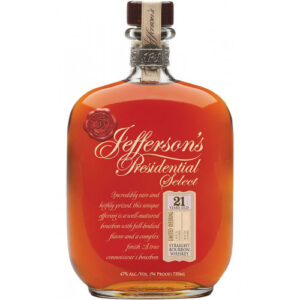
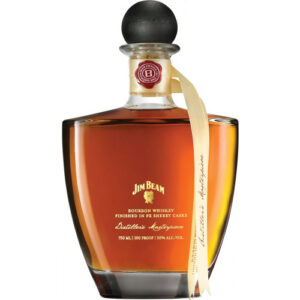
Jim Beam Distiller’s Masterpiece Sherry Cask Finished Bourbon
About Jim Beam Distiller's Masterpiece Sherry Cask Finished Bourbon
Jim Beam Distiller’s Masterpiece is Fred Noe’s magnum opus. After hand-selecting extra-aged bourbons that were aging in the optimal positions of his rickhouse, Noe finished the bourbon in Pedro Ximénez sherry casks. The sherry casks contributed unique notes of plums, dates, dark fruits and cherries to the bourbon, which complement its subtle touches of dark leather, moist tobacco, chocolate and coffee.Packaged in a luxury wooden case and bottled at 100 proof, “this bourbon expression from Jim Beam is the most exclusive, highest quality offering within the family” says Noe.
Pick up a bottle today!
About Jim Beam
Following the end of the American Revolutionary War, Johannes Reginald Beam emigrated from Germany to the United States, and eventually settled in Kentucky County. At the time, Kentucky County was still considered part of Virginia, and was overseen by a military governor named John J. Bowman. In order to encourage westward expansion, Virginia issued pioneers who agreed to settle in Kentucky County "corn writs," which granted the pioneers 60 acres of land if they agreed to settle in Kentucky and start farming corn.After settling in Kentucky, Beam began harvesting corn and set forth a family tradition by distilling the excess grains he harvested into whiskey. Since then, seven generations of the Beam family have been involved in whiskey production for the eponymous company (the company is actually named after James Beam, who rescued it following Prohibition). Today, Fred Noe — a seventh generation master distiller and the great grandson of Colonel James B. Beam — shepherds his family legacy forward.
About Bourbon
There are not many things more American than bourbon, and although most of it is produced in Kentucky, it can be produced all over the USA.
It must be made with at least 51% corn and bottled at 40% ABV or higher. So why not give this American classic a try?
Check out our impressive selection of bourbons, find your new favorite in Top 10 bourbons, or explore our treasury of rare & hard to find bourbons.
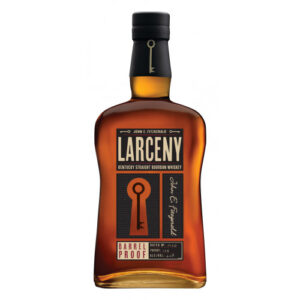
John E. Fitzgerald Larceny Barrel Proof Kentucky Straight Bourbon Whiskey
About John E. Fitzgerald Larceny Barrel Proof Kentucky Straight Bourbon Whiskey
According to legend, John E. Fitzgerald founded a distillery along the banks of the Kentucky River shortly after the Civil War ended. Fitzgerald began distilling bourbon and selling it to passengers aboard the trains and steamships that passed through town. Shortly thereafter, Fitzgerald sold his brand "Old Fitzgerald Bourbon" to Julian P. "Pappy" Van Winkle for $10,000, a small fortune at the time. Pappy moved production of Old Fitz to his distillery, where it became one of the most famous bourbons in the world.But if you ask Sally Van Winkle (Pappy's granddaughter), the story of John E. Fitzgerald and Old Fitz Bourbon is slightly more complicated and certainly more interesting. In 1999, Van Winkle revealed that Fitzgerald was not the man nor the distiller he claimed to be — he was, in fact, a bonded treasury agent. At the time, the Treasury Department was tasked with collecting taxes levied on spirits and as such, bonded treasury agents were the only people legally allowed to carry the keys to barrel storage warehouses.
Fitzgerald did have a discerning palate for fine bourbon and would use his warehouse keys to pilfer the best barrels of bourbon as they aged. The barrels, which became known as "Fitzgerald barrels," and the brand were immortalized when Pappy Van Winkle named Old Fitzgerald bourbon after the treasury agent, and added a "Whisper of Wheat" to his bourbon's recipe. By using wheat rather than rye as the secondary grain in the bourbon's mash bill, Pappy imparted a rounder, softer flavor profile in Old Fitz as compared to other bourbons at the time.
The extremely successful Larceny Kentucky Straight Bourbon was launched in 2012 by Heaven Hill Distillery and pays homage to both John E. Fitzgerald's superb taste and the legacy of the Old Fitzgerald brand. Its big brother — the small batch barrel proof version — will be released thrice per year and bottled at (varying) barrel proof with no chill filtering. True to the tradition of Old Fitz, this wheated bourbon replaces rye with wheat and features a mash bill of 68% corn, 20% wheat, and 12% malted barley. As a result, Larceny Bourbon has a sweeter, softer, and rounder flavor profile compared to bourbons that use rye as their secondary grain. The resulting bourbon has bready notes, honey, vanilla, maple, dark sugar, nuts, and light cinnamon, along with a hint of oak and spice that provides for a subtle edge that finishes with a prolonged warmth. Each batch is planned to have bourbon aged 6 to 8 years.
Grab a bottle today!
About Bourbon
There are not many things more American than bourbon, and although most of it is produced in Kentucky, it can be produced all over the USA.
It must be made with at least 51% corn and bottled at 40% ABV or higher. So why not give this American classic a try?
Check out our impressive selection of bourbons, find your new favorite in Top 10 bourbons, or explore our treasury of rare & hard to find bourbons.
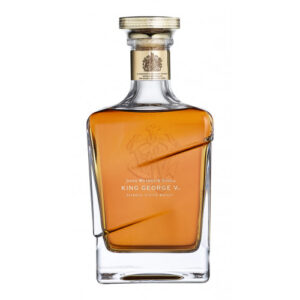
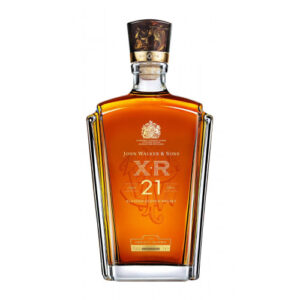
John Walker & Sons XR 21 Year Old Blended Scotch Whisky
About John Walker & Sons XR 21 Year Old Blended Scotch Whisky
In 1857, Alexander Walker — John Walker's eldest son — inherited the store and began improving its selection of single malt Scotch whiskies. Alexander had previously apprenticed with a tea merchant in Glasgow and there, had learned the art of blending tea. Under his stewardship, the House of Walker began blending whisky and bottling it in an iconic, square bottle adorned with a slanted label.Alexander Walker II was a master blender like his father and his grandfather before him, who devoted his life to making exceptional whiskies. In 1920, he received a knighthood from King George V for his services to the nation.
This John Walker & Sons XR 21 is inspired by this very special occasion. Inspired by Sir Alexander’s own hand-written notes, it is blended from the exclusive Johnnie Walker reserve of rare whiskies, all of which have been matured for a full 21 years. You can expect intriguing layers of intensity that are both surprising and delightful.
Pick up your bottle today!
About Johnnie Walker
Johnnie Walker, one of the most widely distributed brands of blended Scotch whisky in the world, originated in the Scottish burgh of Kilmarnock in East Ayrshire. The story of the brand starts with John Walker, who started a profitable groceries business with the inheritance from his father. John Walker, himself a teetotaler, found his competitive edge in whiskies he blended himself, offering his customers a consistent product, unlike most other grocers, who usually sold a line of single malts that were never all that consistent. Whisky represented about eight percent of the sales when John’s son Alexander Walker took over the business after his father’s death in 1857, and when the company was passed on to the third generation, this share was already between 90 and 95 percent. The legalization of the blending of grain and malt whiskies by the Spirits Act of 1860 marked the beginning of the modern blended Scotch whisky. Johnnie Walker's first commercial blend, called Old Highland Whisky, was launched in 1867. Alexander Walker also introduced the brand's signature square bottle, and the distinctive slanted label. In 1893, the Walkers acquired the Cardhu distillery, and kept expanding through the early 20th century by buying interests in a number of distilleries. This ensured the company a steady supply of whiskies for its blends. By 1909, John's grandsons George and Alexander II had expanded the line, and sold three blended whiskies.In 1909, the company rebranded its whiskies, introducing the famous striding man logo and renaming the blends after the colors of their labels. By 1920, Johnnie Walker could be bought in 120 countries. The company joined Distillers Company in 1925, and, after its acquisition by Guinness, and Guinness’s subsequent merger with Grand Metropolitan, the brand is now owned by Diageo.
About Scotch
Scotch is the most popular whisky in the world and is considered the king of them all! There are five whisky regions in Scotland (six if you count the not officially recognized Islands), and each of them produces spirits with unique properties and distinct tasting notes. (The type of grain used determents the type of the scotch.)
Malt whisky is made of malted barley, and grain whisky uses other grains like corn or wheat. Most of the time, a whisky is blended from different distilleries hence the name blended scotch, but if a malt whisky is produced in a single distillery, we get something extraordinary called a single malt.
Check out our impressive selection of scotch whiskies, find your new favorite in the Top 10 scotch whiskies, or explore our treasury of rare & hard to find scotch whiskies.
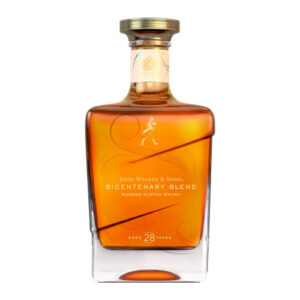
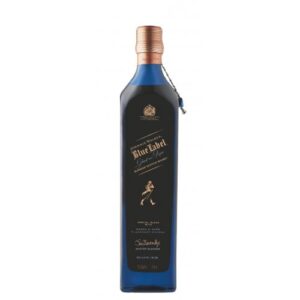
Johnnie Walker Blue Ghost And Rare Special Release
About Johnnie Walker Blue Ghost And Rare Special Release
In 1857, Alexander Walker — Johnnie Walker's eldest son — inherited the store and began improving its selection of single malt Scotch whiskies. Also, Alexander had apprenticed with a tea merchant in Glasgow and there, had learned the art of blending tea. Under his stewardship, the House of Walker began blending whisky and bottling it in an iconic, square bottle adorned with a slanted label. By the time Alexander Walker retired in the 1880s, whisky sales had represented over 95% of the store's business.Johnnie Walker Blue Label Ghost and Rare is the first in a series of special releases. This blend is comprised of grain whiskies from long defunct “ghost” Scotch whisky distilleries, eight treasured Scotch Whiskies including three “ghost whiskies from silent distilleries of Cambus, Pittyvaich and the Highland Single Malt along with five rare expressions of malt and grains from the existing distilleries of Royal Lochnagar, Clynelish, Glenkinchie, Glenlossie and Cameronbridge. Overseen by Johnnie Walker Master Blender, Dr. Jim Beverage, Brora lies at the heart of this incredible expression, imparting a delicious peatiness and sophisticated subtle sweetness. The result is a wonderfully smooth Scotch, with the fruity sweetness of pineapple, rich notes of hazelnut and dark chocolate and a subtle smoky finish.
Pick up your bottle today!
About Johnnie Walker
Johnnie Walker, one of the most widely distributed brands of blended Scotch whisky in the world, originated in the Scottish burgh of Kilmarnock in East Ayrshire. The story of the brand starts with John Walker, who started a profitable groceries business with the inheritance from his father. John Walker, himself a teetotaler, found his competitive edge in whiskies he blended himself, offering his customers a consistent product, unlike most other grocers, who usually sold a line of single malts that were never all that consistent. Whisky represented about eight percent of the sales when John’s son Alexander Walker took over the business after his father’s death in 1857, and when the company was passed on to the third generation, this share was already between 90 and 95 percent. The legalization of the blending of grain and malt whiskies by the Spirits Act of 1860 marked the beginning of the modern blended Scotch whisky. Johnnie Walker's first commercial blend, called Old Highland Whisky, was launched in 1867. Alexander Walker also introduced the brand's signature square bottle, and the distinc tive slanted label. In 1893, the Walkers acquired the Cardhu distillery, and kept expanding through the early 20th century by buying interests in a number of distilleries. This ensured the company a steady supply of whiskies for its blends. By 1909, John's grandsons George and Alexander II had expanded the line, and sold three blended whiskies.In 1909, the company rebranded its whiskies, introducing the famous striding man logo and renaming the blends after the colors of their labels. By 1920, Johnnie Walker could be bought in 120 countries. The company joined Distillers Company in 1925, and, after its acquisition by Guinness, and Guinness’s subsequent merger with Grand Metropolitan, the brand is now owned by Diageo.
About Scotch
Scotch is the most popular whisky in the world and is considered the king of them all! There are five whisky regions in Scotland (six if you count the not officially recognized Islands), and each of them produces spirits with unique properties and distinct tasting notes. (The type of grain used determents the type of the scotch.)
Malt whisky is made of malted barley, and grain whisky uses other grains like corn or wheat. Most of the time, a whisky is blended from different distilleries hence the name blended scotch, but if a malt whisky is produced in a single distillery, we get something extraordinary called a single malt.
Check out our impressive selection of scotch whiskies, find your new favorite in the Top 10 scotch whiskies, or explore our treasury of rare & hard to find scotch whiskies.
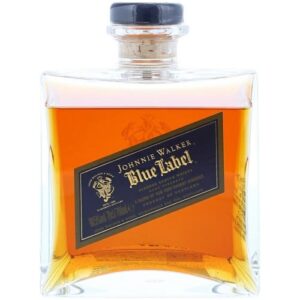
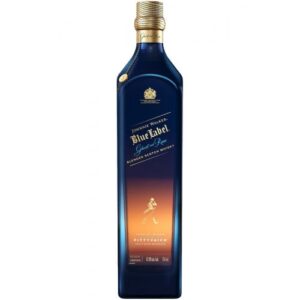
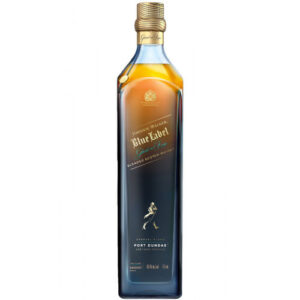
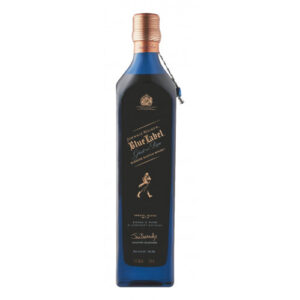
Johnnie Walker Blue Label Ghost and Rare Brora Blended Scotch Whisky
About Johnnie Walker Blue Label Ghost and Rare Brora Blended Scotch Whisky
Johnnie Walker Blue Label Ghost and Rare Brora is crafted using incredibly rare whiskies resulting in a rich, velvety smooth blend of eight treasured Scotch Whiskies including three "ghost" whiskies from the silent distilleries of Cambus, Pittyvaich and the Highland Single Malt, Brora, which lies at the heart of this special release. Brora brings a deliciously light peatiness and sophisticated, subtle sweetness to this whisky.Pick up your bottle today!
About Johnnie Walker
Johnnie Walker, one of the most widely distributed brands of blended Scotch whisky in the world, originated in the Scottish burgh of Kilmarnock in East Ayrshire. The story of the brand starts with John Walker, who started a profitable groceries business with the inheritance from his father. John Walker, himself a teetotaler, found his competitive edge in whiskies he blended himself, offering his customers a consistent product, unlike most other grocers, who usually sold a line of single malts that were never all that consistent. Whisky represented about eight percent of the sales when John’s son Alexander Walker took over the business after his father’s death in 1857, and when the company was passed on to the third generation, this share was already between 90 and 95 percent. The legalization of the blending of grain and malt whiskies by the Spirits Act of 1860 marked the beginning of the modern blended Scotch whisky. Johnnie Walker's first commercial blend, called Old Highland Whisky, was launched in 1867. Alexander Walker also introduced the brand's signature square bottle, and the distinctive slanted label. In 1893, the Walkers acquired the Cardhu distillery, and kept expanding through the early 20th century by buying interests in a number of distilleries. This ensured the company a steady supply of whiskies for its blends. By 1909, John's grandsons George and Alexander II had expanded the line, and sold three blended whiskies.In 1909, the company rebranded its whiskies, introducing the famous striding man logo a nd renaming the blends after the colors of their labels. By 1920, Johnnie Walker could be bought in 120 countries. The company joined Distillers Company in 1925, and, after its acquisition by Guinness, and Guinness’s subsequent merger with Grand Metropolitan, the brand is now owned by Diageo.
About Scotch
Scotch is the most popular whisky in the world and is considered the king of them all! There are five whisky regions in Scotland (six if you count the not officially recognized Islands), and each of them produces spirits with unique properties and distinct tasting notes. (The type of grain used determents the type of the scotch.)
Malt whisky is made of malted barley, and grain whisky uses other grains like corn or wheat. Most of the time, a whisky is blended from different distilleries hence the name blended scotch, but if a malt whisky is produced in a single distillery, we get something extraordinary called a single malt.
Check out our impressive selection of scotch whiskies, find your new favorite in the Top 10 scotch whiskies, or explore our treasury of rare & hard to find scotch whiskies.
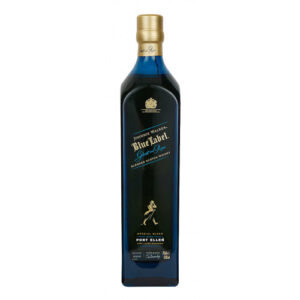
Johnnie Walker Blue Label Ghost and Rare Port Ellen Blended Scotch Whisky
About Johnnie Walker Blue Label Ghost and Rare Port Ellen Blended Scotch Whisky
In 1857, Alexander Walker — Johnnie Walker's eldest son — inherited the store and began improving its selection of single malt Scotch whiskies. Also, Alexander had apprenticed with a tea merchant in Glasgow and there, had learned the art of blending tea. Under his stewardship, the House of Walker began blending whisky and bottling it in an iconic, square bottle adorned with a slanted label. By the time Alexander Walker retired in the 1880s, whisky sales had represented over 95% of the store's business.This Johnnie Walker Blue Label Ghost and Rare is the second edition in this series of special limited edition releases. The blend is comprised of grain whiskies from long defunct “ghost” Scotch whisky distilleries, highlighting one of the most exalted shuttered distilleries on Islay—Port Ellen. The other whiskies in the blend include Caledonian and Carsebridge, harmonizing Port Ellen’s peaty and iodine character. Five additional rare malts (Mortlach, Dailuaine, Cragganmore, Blair Athol, and Oban) are married into the blend yielding a well-rounded mouthfeel and finish. Each of these whiskies are aged at least 20 years. Overseen by Johnnie Walker Master Blender, Dr. Jim Beverage, Port Ellen lies at the heart of this incredible expression, imparting a delicious peatiness and a dose of brine. The result is a whisky with layers of creamy vanilla sweetness and rolling waves of waxy citrus, rich malt and tropical fruit notes - all perfectly balanced by the distinctive maritime smokiness of Port Ellen that lingers in, the long and warming finish.
Pick up your bottle today!
About Johnnie Walker
Johnnie Walker, one of the most widely distributed brands of blended Scotch whisky in the world, originated in the Scottish burgh of Kilmarnock in East Ayrshire. The story of the brand starts with John Walker, who started a profitable groceries business with the inheritance from his father. John Walker, himself a teetotaler, found his competitive edge in whiskies he blended himself, offering his customers a consistent product, unlike most other grocers, who usually sold a line of single malts that were never all that consistent. Whisky represented about eight percent of the sales when John’s son Alexander Walker took over the business after his father’s death in 1857, and when the company was passed on to the third generation, this share was already between 90 and 95 percent. The legalization of the blending of grain and malt whiskies by the Spirits Act of 1860 marked the beginning of the modern blended Scotch whisky. Johnnie Walker's first commercial blend, called Old Highland Whisky, was launched in 1867. Alexander Wa lker also introduced the brand's signature square bottle, and the distinctive slanted label. In 1893, the Walkers acquired the Cardhu distillery, and kept expanding through the early 20th century by buying interests in a number of distilleries. This ensured the company a steady supply of whiskies for its blends. By 1909, John's grandsons George and Alexander II had expanded the line, and sold three blended whiskies.In 1909, the company rebranded its whiskies, introducing the famous striding man logo and renaming the blends after the colors of their labels. By 1920, Johnnie Walker could be bought in 120 countries. The company joined Distillers Company in 1925, and, after its acquisition by Guinness, and Guinness’s subsequent merger with Grand Metropolitan, the brand is now owned by Diageo.
About Scotch
Scotch is the most popular whisky in the world and is considered the king of them all! There are five whisky regions in Scotland (six if you count the not officially recognized Islands), and each of them produces spirits with unique properties and distinct tasting notes. (The type of grain used determents the type of the scotch.)
Malt whisky is made of malted barley, and grain whisky uses other grains like corn or wheat. Most of the time, a whisky is blended from different distilleries hence the name blended scotch, but if a malt whisky is produced in a single distillery, we get something extraordinary called a single malt.
Check out our impressive selection of scotch whiskies, find your new favorite in the Top 10 scotch whiskies, or explore our treasury of rare & hard to find scotch whiskies.
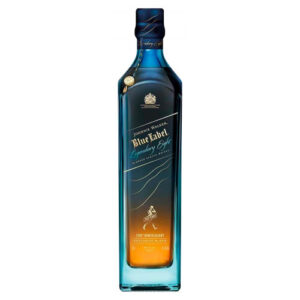
Johnnie Walker Blue Label Legendary Eight Blended Scotch Whisky
About Johnnie Walker Blue Label Legendary Eight Blended Scotch Whisky
Johnnie Walker is celebrating their 200th anniversary with some very special and limited releases, such as this Blue Label Legendary Eight Blended Scotch. The number 8 refers to the legendary distilleries (including "ghost" distilleries) that its rare components come from. All of these distilleries were in existence when John Walker walked the earth 2 centuries ago. Rich and immensely complex, it's a testament to the skill of Master Blender Jim Beveridge.Celebrate 200 years of Johnnie Walker with this amazing whisky!
About Johnnie Walker
Johnnie Walker, one of the most widely distributed brands of blended Scotch whisky in the world, originated in the Scottish burgh of Kilmarnock in East Ayrshire. The story of the brand starts with John Walker, who started a profitable groceries business with the inheritance from his father. John Walker, himself a teetotaler, found his competitive edge in whiskies he blended himself, offering his customers a consistent product, unlike most other grocers, who usually sold a line of single malts that were never all that consistent. Whisky represented about eight percent of the sales when John’s son Alexander Walker took over the business after his father’s death in 1857, and when the company was passed on to the third generation, this share was already between 90 and 95 percent. The legalization of the blending of grain and malt whiskies by the Spirits Act of 1860 marked the beginning of the modern blended Scotch whisky. Johnnie Walker's first commercial blend, called Old Highland Whisky, was launched in 1867. Alexander Walker also introduced the brand's signature square bottle, and the distinctive slanted label. In 1893, the Walkers acquired the Cardhu distillery, and kept expanding through the early 20th century by buying interests in a number of distilleries. This ensured the company a steady supply of whiskies for its blends. By 1909, John's grandsons George and Alexander II had expanded the line, and sold three blended whiskies.In 1909, the company rebranded its whiskies, introducing the famous striding man logo and renaming the blends after the colors of their lab els. By 1920, Johnnie Walker could be bought in 120 countries. The company joined Distillers Company in 1925, and, after its acquisition by Guinness, and Guinness’s subsequent merger with Grand Metropolitan, the brand is now owned by Diageo.
About Scotch
Scotch is the most popular whisky in the world and is considered the king of them all! There are five whisky regions in Scotland (six if you count the not officially recognized Islands), and each of them produces spirits with unique properties and distinct tasting notes. (The type of grain used determents the type of the scotch.)
Malt whisky is made of malted barley, and grain whisky uses other grains like corn or wheat. Most of the time, a whisky is blended from different distilleries hence the name blended scotch, but if a malt whisky is produced in a single distillery, we get something extraordinary called a single malt.
Check out our impressive selection of scotch whiskies, find your new favorite in the Top 10 scotch whiskies, or explore our treasury of rare & hard to find scotch whiskies.
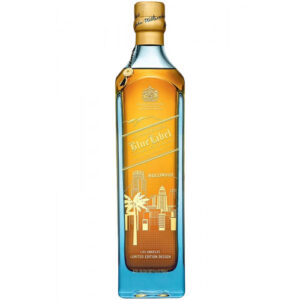
Johnnie Walker Blue Label Los Angeles Edition Blended Scotch Whisky
About Johnnie Walker Blue Label Los Angeles Edition Blended Scotch Whisky
Johnnie Walker Blue Label Los Angeles Edition Blended Scotch Whisky is a great way to expand your home bar.Produced in United Kingdom by Johnnie Walker and bottled at 80 (40% ABV) proof, this well-rounded Scotch is meant to be enjoyed by Spirits enthusiasts and novices alike.
Johnnie Walker Blue Label Los Angeles Edition Blended Scotch Whisky doesn't have any reviews yet. Let's change that. Head out to the Review tab to leave your feedback.
Grab your bottle of this delicious Scotch today!
About Johnnie Walker
Johnnie Walker, one of the most widely distributed brands of blended Scotch whisky in the world, originated in the Scottish burgh of Kilmarnock in East Ayrshire. The story of the brand starts with John Walker, who started a profitable groceries business with the inheritance from his father. John Walker, himself a teetotaler, found his competitive edge in whiskies he blended himself, offering his customers a consistent product, unlike most other grocers, who usually sold a line of single malts that were never all that consistent. Whisky represented about eight percent of the sales when John’s son Alexander Walker took over the business after his father’s death in 1857, and when the company was passed on to the third generation, this share was already between 90 and 95 percent. The legalization of the blending of grain and malt whiskies by the Spirits Act of 1860 marked the beginning of the modern blended Scotch whisky. Johnnie Walker's first commercial blend, called Old Highland Whisky, was launched in 1867. Alexander Walker also introduced the brand's signature square bottle, and the distinctive slanted label. In 1893, the Walkers acquired the Cardhu distillery, and kept expanding through the early 20th century by buying interests in a number of distilleries. This ensured the company a steady supply of whiskies for its blends. By 1909, John's grandsons George and Alexander II had expanded the line, and sold three blended whiskies.In 1909, the company rebranded its whiskies, introducing the famous striding man logo and renaming the blends after the colors of their label s. By 1920, Johnnie Walker could be bought in 120 countries. The company joined Distillers Company in 1925, and, after its acquisition by Guinness, and Guinness’s subsequent merger with Grand Metropolitan, the brand is now owned by Diageo.
About Scotch
Scotch is the most popular whisky in the world and is considered the king of them all! There are five whisky regions in Scotland (six if you count the not officially recognized Islands), and each of them produces spirits with unique properties and distinct tasting notes. (The type of grain used determents the type of the scotch.)
Malt whisky is made of malted barley, and grain whisky uses other grains like corn or wheat. Most of the time, a whisky is blended from different distilleries hence the name blended scotch, but if a malt whisky is produced in a single distillery, we get something extraordinary called a single malt.
Check out our impressive selection of scotch whiskies, find your new favorite in the Top 10 scotch whiskies, or explore our treasury of rare & hard to find scotch whiskies.
Recently viewed items
Distiller’s Editions Single Malt Scotch Whisky Set
About Distiller's Editions Single Malt Scotch Whisky Set
This Distiller's Editions Single Malt Scotch Whisky Set includes one bottle of Lagavulin Distiller's Edition Single Malt Scotch Whisky, Oban Distiller's Edition Single Malt Scotch Whisky, Talisker Distiller's Edition Single Malt Scotch Whisky and Dalwhinnie Distiller's Edition Single Malt Scotch Whisky.Lagavulin Distiller's Edition Single Malt Scotch Whisky
Situated on the banks of Lagavulin Bay on the island of Islay, Lagavulin Distillery is one of the oldest distilleries in Scotland. Distilling took place on the banks of Lagavulin Bay as early as 1742, and by the turn of the century, there were as many as ten illicit stills operating in the area. In 1816, John Johnson founded the first legal distillery on the site, and within a year Archibald Campbell had opened a second. After Johnson's death, Alexander Graham acquired Johnston's distillery for £1,100 and eventually united the two distilleries together under the Lagavulin name. Since that time, the rich, peaty water that runs down the brown burn and through the Solan Lochs into the hills just next to Lagavulin Bay has served as the lifeblood of the distillery.
Lagavulin Single Malt Scotch Whisky is known as one of the most intense, smoky single malt whiskies ever made — the peated barley used to create Lagavulin Single Malt has up to twenty times as much exposure to peat smoke than typical Scotches. After the grains used to make Lagavulin whisky are malted at nearly Port Ellen, they are milled and mashed before being fermented for approximately 72 hours.
Then, the whisky is distilled twice — first through a wash still for approximately five hours and then again through a spirit distill for approximately nine hours. This is the slowest distillation process of any Islay distillery, and it gives Lagavulin its characteristic round flavors and mellow edges.
Following distillation, Lagavulin Distiller's Edition Single Malt Scotch Whisky is aged for 16 years in the distillery's warehouses. During that time, Iain McArthur, Lagavulin warehouseman, ensures that the whisky matures evenly and consistently (McArthur has been working at the distillery for over four decades). After the whisky has matured for 16 years, it is double-barreled, or finished, in casks that were previously used to mature sherry made from Pedro Ximinez grapes. Once harvested, Pedro Ximinez grapes shrivel up to a raisin-like state, which concentrates the sugars in the grape and results in a sweet wine with legendary viscosity and intensity. This double-maturation process complements the intensely smoky notes of the whisky and adds an additional layer of complexity.
Lagavulin Distiller's Edition Single Malt Scotch has an aroma of brown sugar, roasted almonds, cinnamon and spicy cloves. The initial notes are surprisingly sweet, with subtle hints of citrus and toffee which give way to notes of nutmeg and cherries. The ever-lasting finish has deep, dark notes of smoky spices and lingers with just a touch of sweetness.
Oban Distiller's Edition Single Malt Scotch Whisky
After moving with their widowed mother to the small port city of Oban, John and Hugh Stevenson began building and repairing boats — a trade they had learned from their father — at the Oban shipyards. In the 1790s, the brothers left their jobs at the shipyard and founded a brewery in the city. In 1794, they converted their brewery into Oban Distillery, one of the oldest and most prestigious distilleries in Scotland.
For nearly a century, Oban Distillery remained in the hands of the Stevenson family. In 1883, however, J. Walter Higgin purchased the distillery and began renovations. While Higgin renovated both the distillery's equipment and structure, he did so piecemeal in order to ensure that the distillery was able to meet the uninterrupted demand for its whisky. Today, over 100 years later, Oban Distillery remains substantially the same as it was after Higgin's refurbishment.
Oban Single Malt Whisky is made using barley that is malted to the distillery's exact specifications. After the barley is malted, it is partially germinated and gently dried over a peat kiln, giving it a slightly smoky, malty flavor profile. Then, the malted barley is mashed and fermented before being twice-distilled through Oban's lantern-shaped copper-pot stills. The stills are among the smallest in Scotland, and limit Oban's production to just 650,000 liters of whisky annually.
Following distillation, Oban Distiller's Edition Single Malt Whisky is aged for 14 years in oak casks. During this beauty rest, the whisky is touched by its environment and geography — the warm, salty Gulf Stream and mild, temperate climate of Oban are reflected in the whisky. After its initial maturation, the whisky is double-barreled, or finished, in ex-Montilla Fino sherry casks. The sherry casks add notes of dried fruits, particularly cherries and strawberries, to the whisky, and complement its notes of light, peaty smoke.
Oban Distiller's Edition Single Malt Whisky has a fruity nose, with hints of grapes, citrus and a touch of smoke. The flavor is full and rich, with complex notes of tangy salt, butterscotch, caramel and toffee, which ultimately lead to a lingering, smoky and sweet finish. Oban is situated at the frontier between the Western Highlands and Islay of Scotland — the whisky has the lighter, sweeter notes of Scotland's Highlands region, while still possessing the dry, smoky style of Islay.
Talisker Distiller's Edition Single Malt Scotch Whisky
Situated on the shores of Loch Harport, Talisker Distillery is heavily influenced by its location on the Isle of Skye — it embodies the spirit of the rocky, storm-lashed island and its strong, steadfast people. The distillery was founded in 1830 by Hugh and Kenneth MacAskill, who leased the Talisker House from Clan MacLeod and eventually converted it into a distillery. When a new lease for the distillery was negotiated between the MacAskills and Clan MacLeod in the second half of the 19th century, the annual rent settled upon was £23.12 and a ten-gallon cask of the best Talisker Whisky available.
Talisker Single Malt Whisky is made from malted barley sourced from the Muir of Ord, a village in Highland, Scotland. The barley is lightly peated to approximately 18 phenol parts per million, which contributes a slightly smoky flavor profile to the whisky. Once the barley has been malted and peated, it is mashed using soft water drawn from one of the 14 underground springs that rise from Hawk Hill — Talisker has been using the same water source since it was founded nearly two centuries ago. "I'm restless at heart so you'll find me poking my nose into the mash tun at all hours," says Mark Lochhead, the distillery's manager. After the barley has been mashed, it is fermented in the distillery's wooden washbacks before being twice distilled through Talisker's copper-pot stills. The stills are equipped with swan-shaped lye pipes and worm tubs, which gives Talisker whisky its signature, full-bodied flavor profile.
Following distillation, Talisker Distiller's Edition Single Malt Whisky is aged for a minimum of ten years in used, American bourbon casks. The casks impart traditional notes of cinnamon, cloves and vanilla to the whisky. Then, Talisker Distiller's Edition is double-barreled, or finished, in casks that were previously used to mature Amoroso sherry. Amoroso sherry is a type of Oloroso sherry, but is generally sweetened with a blend of Pedro Ximénez grapes. As a result, Talisker Distiller's Edition is imbued with an aroma of cherries and apricots, which lead to a crisp, full body. Initially, the whisky has sweet, fruity flavors, along with touches of oak, peat and vanilla that ultimately fade into a lingering, sweet finish.
Talisker Distiller's Edition Single Malt Whisky earned a score of 96-100 points from Wine Enthusiast, which rated it a "Best Buy."
Dalwhinnie Distiller's Edition Single Malt Scotch Whisky
Situated along the Grampian Mountains in the Highlands region of Scotland, Dalwhinnie Distillery was founded in 1897 by John Grant, and was originally named Strathspey Distillery. In 1898, Grant declared bankruptcy and sold the distillery to AP Blyth, who renamed the distillery Dalwhinnie. The name, which roughly translates to "meeting place"in ancient Gaelic, is a reference to the cattle farmers who would pause at the distillery on their journey south to the cattle markets in Crieff and Falkirk.
Dalwhinnie Single Malt Scotch Whisky is made exclusively from freshly harvested, plump barley, which is milled and mashed with water sourced from Lochan an Doire Uaine (meaning "Loch of the Green Thicket"). The pure spring water, which travels through local peat before reaching the loch (the loch itself is situated 2,000 feet above sea level), imparts a soft yet subtle complexity to the whisky. Since no other distillery may legally use water drawn from Lochan an Doire Uaine, no other distillery is able to replicate the unique, malty-sweet taste of Dalwhinnie Single Malt Scotch Whisky.
After the barley has been milled and mashed, it is fermented in the distillery's original, wooden washbacks. While wooden washbacks are more expensive and difficult to maintain as compared to stainless steel washbacks, they absorb a portion of the heat generated during fermentation, and thus, enable a slower and longer fermentation process. Following fermentation, the wash is distilled twice, first through Dalwhinnie's copper-pot wash still, and then again through its copper-pot spirit still.
Dalwhinnie Distiller's Edition Highland Single Malt Scotch Whisky was distilled in 1996 and matured for approximately 15 years in oak casks. After its initial maturation, the whisky was double-barreled, or finished, for an additional year in casks that were formerly used to mature Oloroso sherry, before it was finally bottled in 2012. The whisky has an aroma of fresh orchards, honey and soft spices that open up to notes of malt, sweet grapes, heathered spices and honey on the palate, and lead to a long finish with touches of oak and vanilla.
About Scotch
Scotch is the most popular whisky in the world and is considered the king of them all! There are five whisky regions in Scotland (six if you count the not officially recognized Islands), and each of them produces spirits with unique properties and distinct tasting notes. (The type of grain used determents the type of the scotch.)
Malt whisky is made of malted barley, and grain whisky uses other grains like corn or wheat. Most of the time, a whisky is blended from different distilleries hence the name blended scotch, but if a malt whisky is produced in a single distillery, we get something extraordinary called a single malt.
Check out our impressive selection of scotch whiskies, find your new favorite in the Top 10 scotch whiskies, or explore our treasury of rare & hard to find scotch whiskies.
- USD USD
- EUR EUR
- GBP GBP
- AUD AUD
- CAD CAD
Andre's Liquor Cookie Settings
The cookie settings on this website are set to 'allow all cookies' to give you the very best experience. Please click Accept Cookies to continue to use the site
Type a few things below to search
Out of a total of 818 products:

Log in
By continuing, you accept the Website Regulations , Regulations for the sale of alcoholic beverages and the Privacy Policy
You dont have an account yet? Register Now